
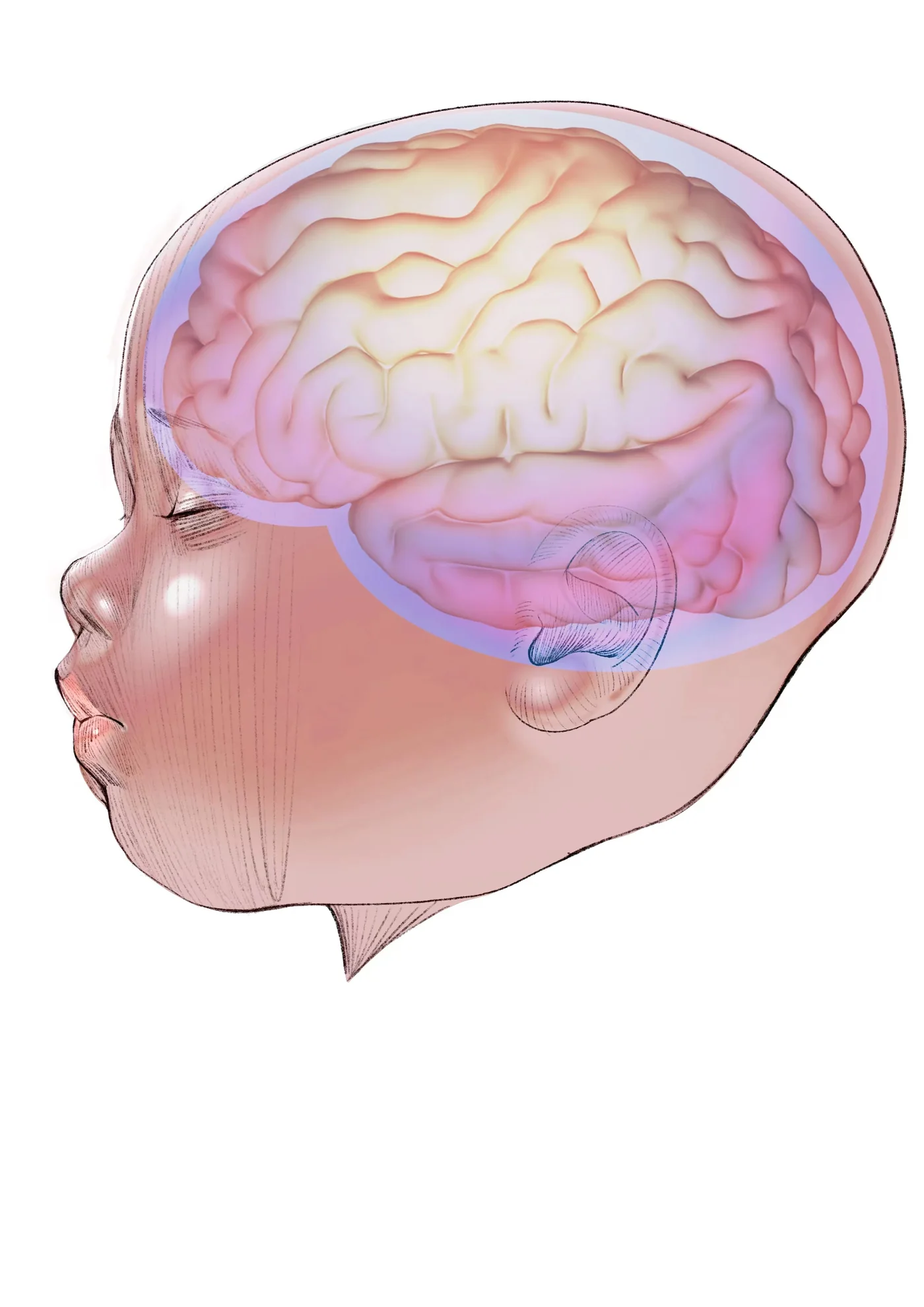
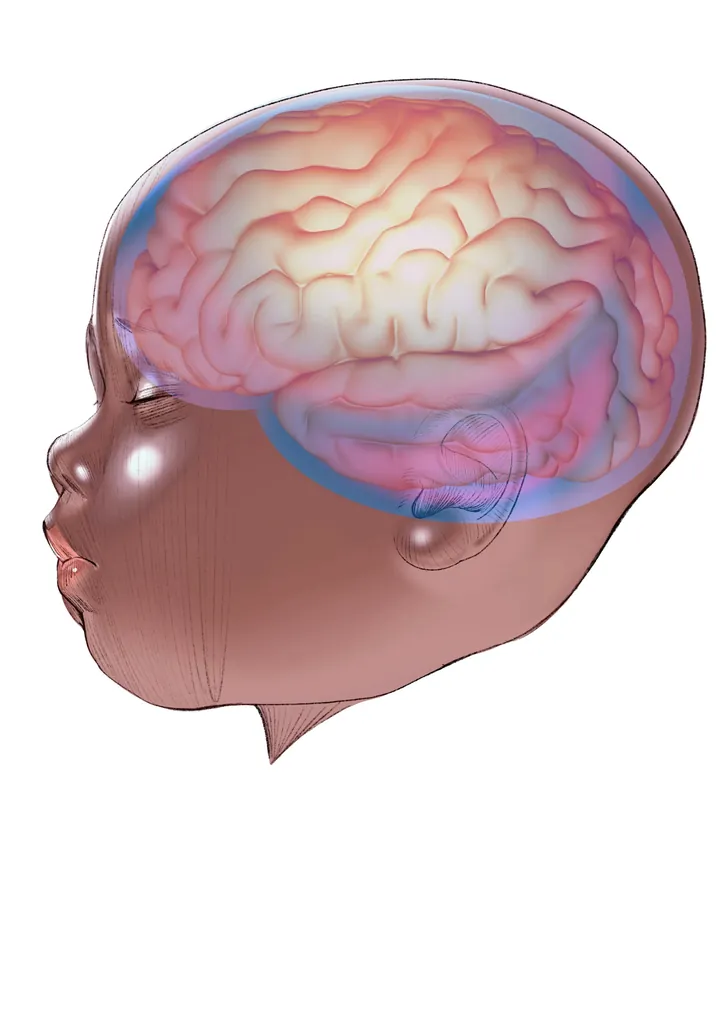
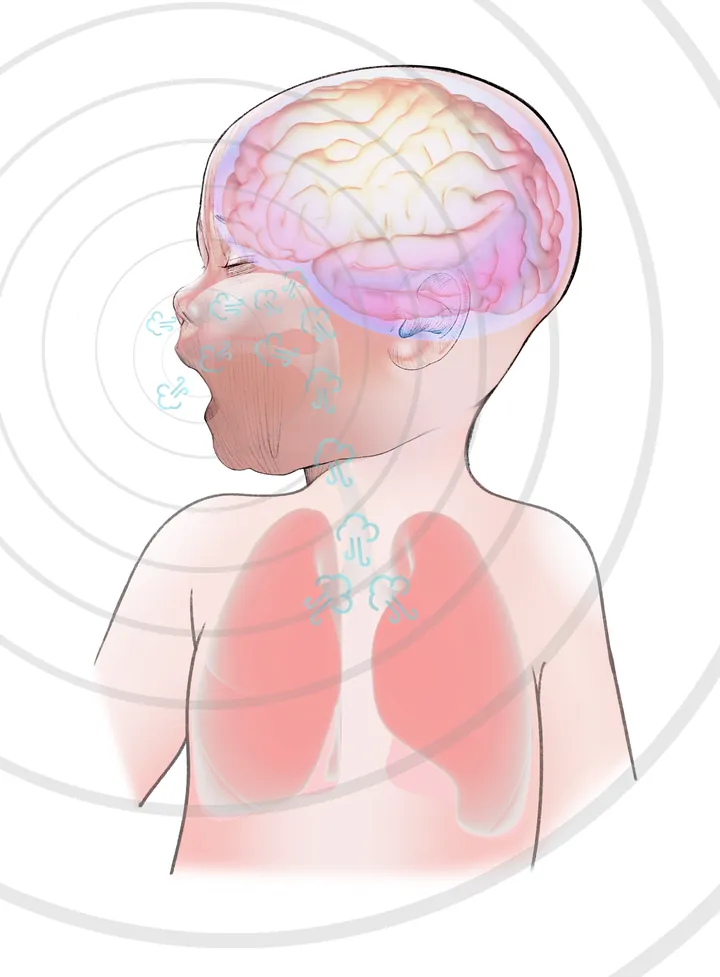
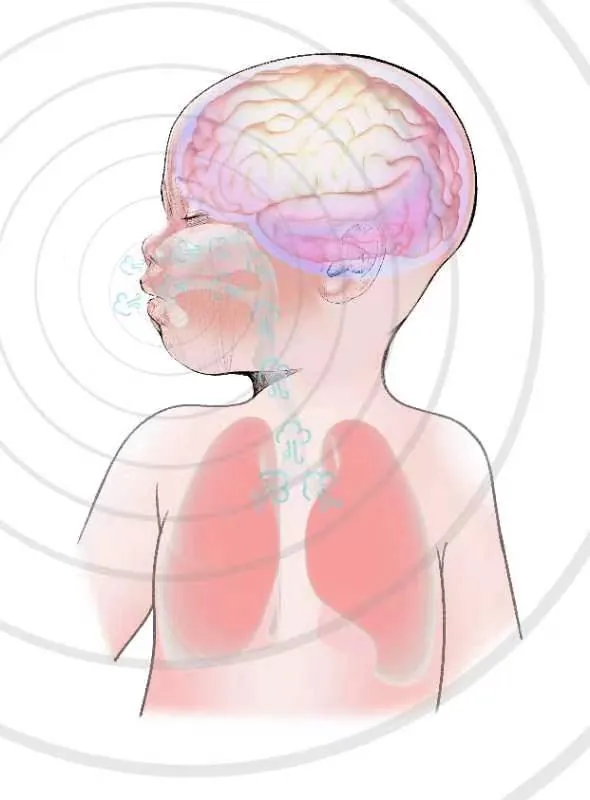
Development-themed infant illustrations: a head section with coloured brain areas and a softer rendering of airway anatomy, in pink and brown versions plus a combined sheet. File metadata shows one piece created/edited 2023-03 — registered, not treated as a creation year.
The Story Behind the Image
Paper evidence
Figure 1 · original
The significance of an infant's cry: a narrative review of physiological, pathological, and analytical perspectives
Article abstract (English original)
Infants communicate with the outside world through their cries, which often differ for various reasons. Moreover, the cries of healthy and specific pathological conditions (e.g., neurological damage) can be different. Changes in the physical and mental states can cause crying. Infant cries are characterised by a variety of features, including changes in pitch, tempo, and volume. Crying can serve as a biological indicator of an infant's health and emotions. To facilitate timely treatment, parents and caregivers can effectively understand the state of their infant by observing and identifying the characteristics of their cries. Analysis of the cries of infant with neurological disorders or severe diseases may facilitate early diagnosis of diseases and protect an infant from motor and intellectual impairments. In this article, we discuss the physiological process, causes, analysis, and application of infant cry. The purpose of this article was to fill the gap in the existing literature on the systematic integration of multi-dimensional (physiological, pathological, and psychological) analysis and deep learning applications of infant crying, and to highlight the potential of infant crying as biological indicator and in precision care.
Matching note: F158 (combined sheet) contains the unannotated original of the Figure 1 illustration: crying-infant pose, concentric background and brain/throat/lung sections match, with added Hypothalamus/Amygdala/Vocal Cords leader lines in the paper; F116 is another annotated variant — see Figure 1.
doi.org/10.3389/fped.2025.1558951 · PubMed 40416439 · Full text (PMC)
Citations, dates and abstracts follow the PMC originals; image reuse must respect the original licence and attribution.
Figure 1 · same
The significance of an infant's cry: a narrative review of physiological, pathological, and analytical perspectives
Article abstract (English original)
Infants communicate with the outside world through their cries, which often differ for various reasons. Moreover, the cries of healthy and specific pathological conditions (e.g., neurological damage) can be different. Changes in the physical and mental states can cause crying. Infant cries are characterised by a variety of features, including changes in pitch, tempo, and volume. Crying can serve as a biological indicator of an infant's health and emotions. To facilitate timely treatment, parents and caregivers can effectively understand the state of their infant by observing and identifying the characteristics of their cries. Analysis of the cries of infant with neurological disorders or severe diseases may facilitate early diagnosis of diseases and protect an infant from motor and intellectual impairments. In this article, we discuss the physiological process, causes, analysis, and application of infant cry. The purpose of this article was to fill the gap in the existing literature on the systematic integration of multi-dimensional (physiological, pathological, and psychological) analysis and deep learning applications of infant crying, and to highlight the potential of infant crying as biological indicator and in precision care.
Matching note: F155 (small version) is a small export of the crying-infant section inside the F158 combined sheet; Figure 1 is its annotated version, with F116 as another annotated variant — see Figure 1.
doi.org/10.3389/fped.2025.1558951 · PubMed 40416439 · Full text (PMC)
Citations, dates and abstracts follow the PMC originals; image reuse must respect the original licence and attribution.